
Top Five Tips for Booking Your African Safari
Planning a safari is exciting, and a bit of preparation makes it even more memorable.


Timing can make or break your safari experience, and Africa’s vast landscapes mean there’s no single “best” month—it depends on what you want to see.
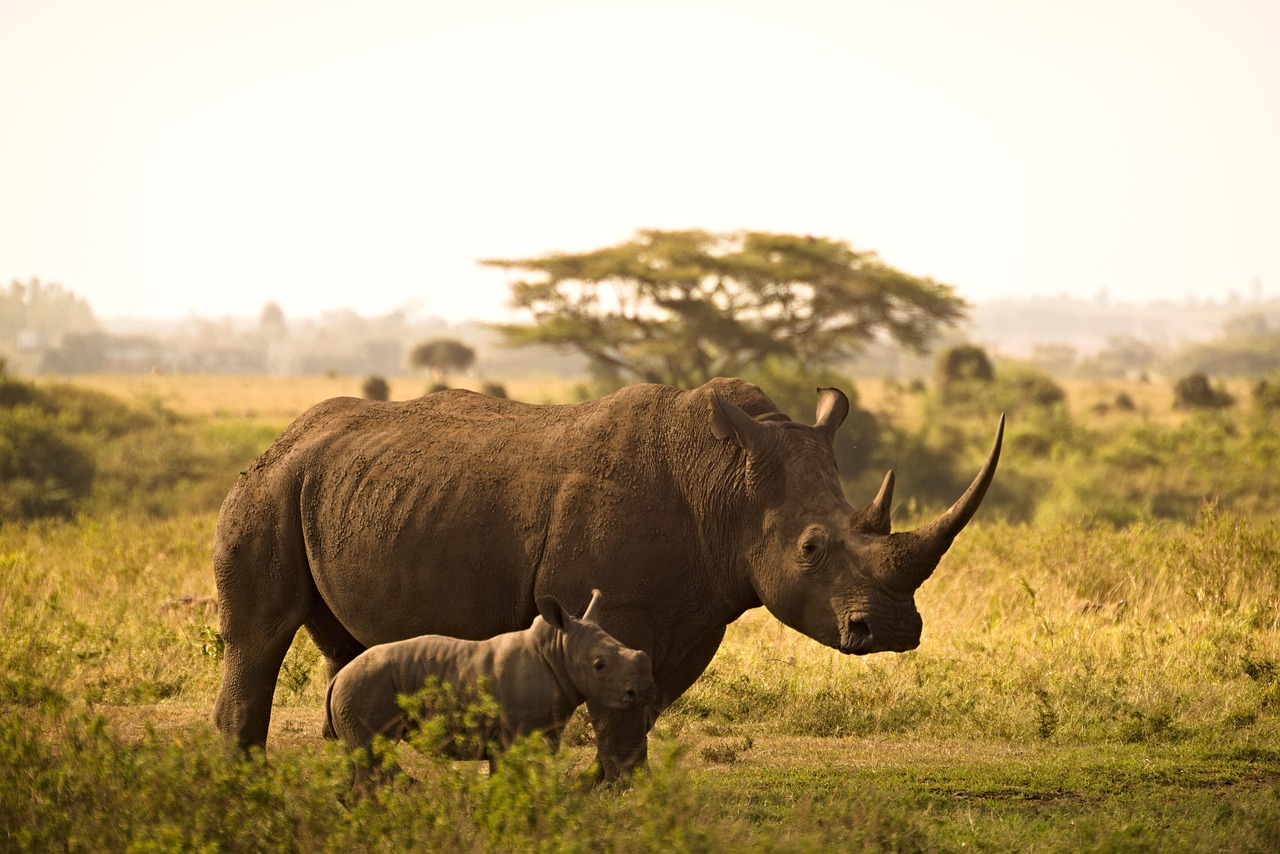
The dry season (typically June to October in many regions) is widely considered the best time for wildlife viewing. During these months, animals gather around water sources, vegetation is thinner, and visibility is excellent. This is peak safari season in destinations like Kenya and Tanzania, especially in iconic parks such as the Maasai Mara National Reserve and Serengeti National Park.
If witnessing the Great Migration is on your list, timing becomes even more important. River crossings usually occur between July and September, offering dramatic wildlife moments.
The green (wet) season—from November to May—has its own appeal. The landscapes are lush, birdlife is abundant, and there are fewer crowds. It’s also a great time for photography thanks to vibrant scenery and softer light. However, some roads can be harder to navigate due to rain.
Southern Africa, including South Africa and Botswana, follows a similar pattern but with slight variations depending on the region.
Ultimately, the best time to go depends on your priorities—whether it’s peak wildlife action, fewer tourists, or scenic beauty. Planning around your interests ensures a safari that’s truly unforgettable.
A curated list of the most popular travel packages based on different destinations.
Planning a safari is exciting, and a bit of preparation makes it even more memorable.


